When Selective Demolition Means Working Around What You Can't Replace
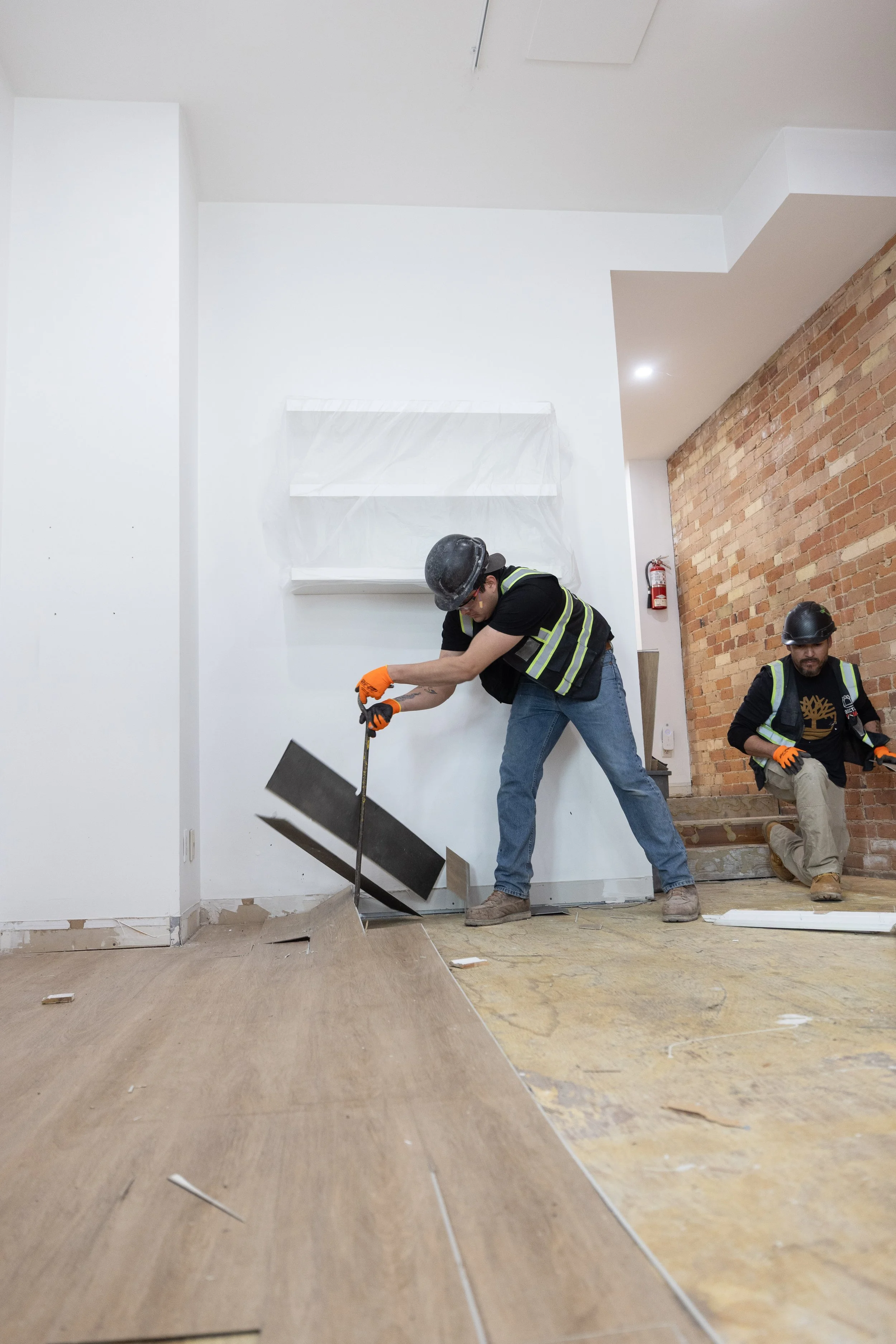
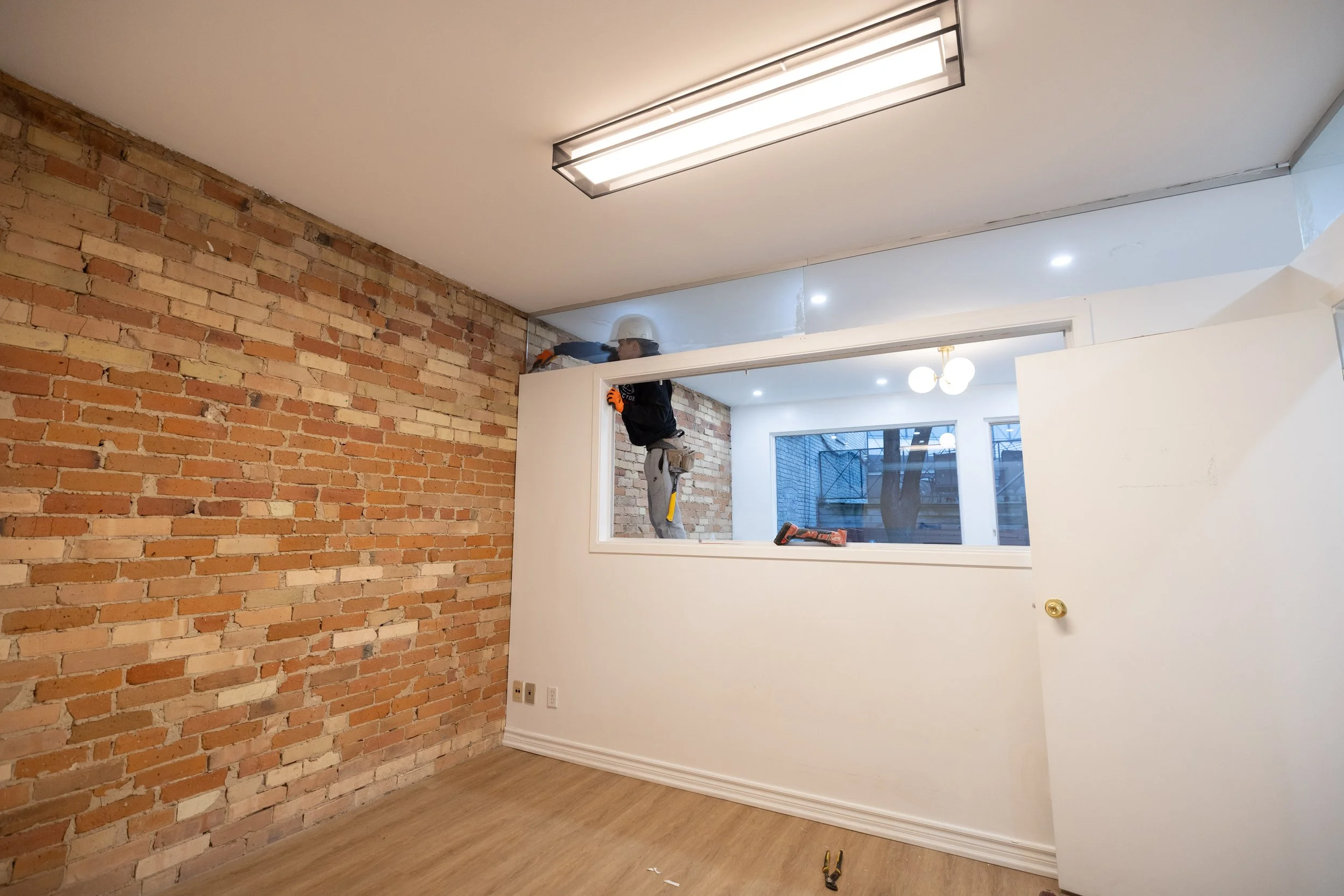
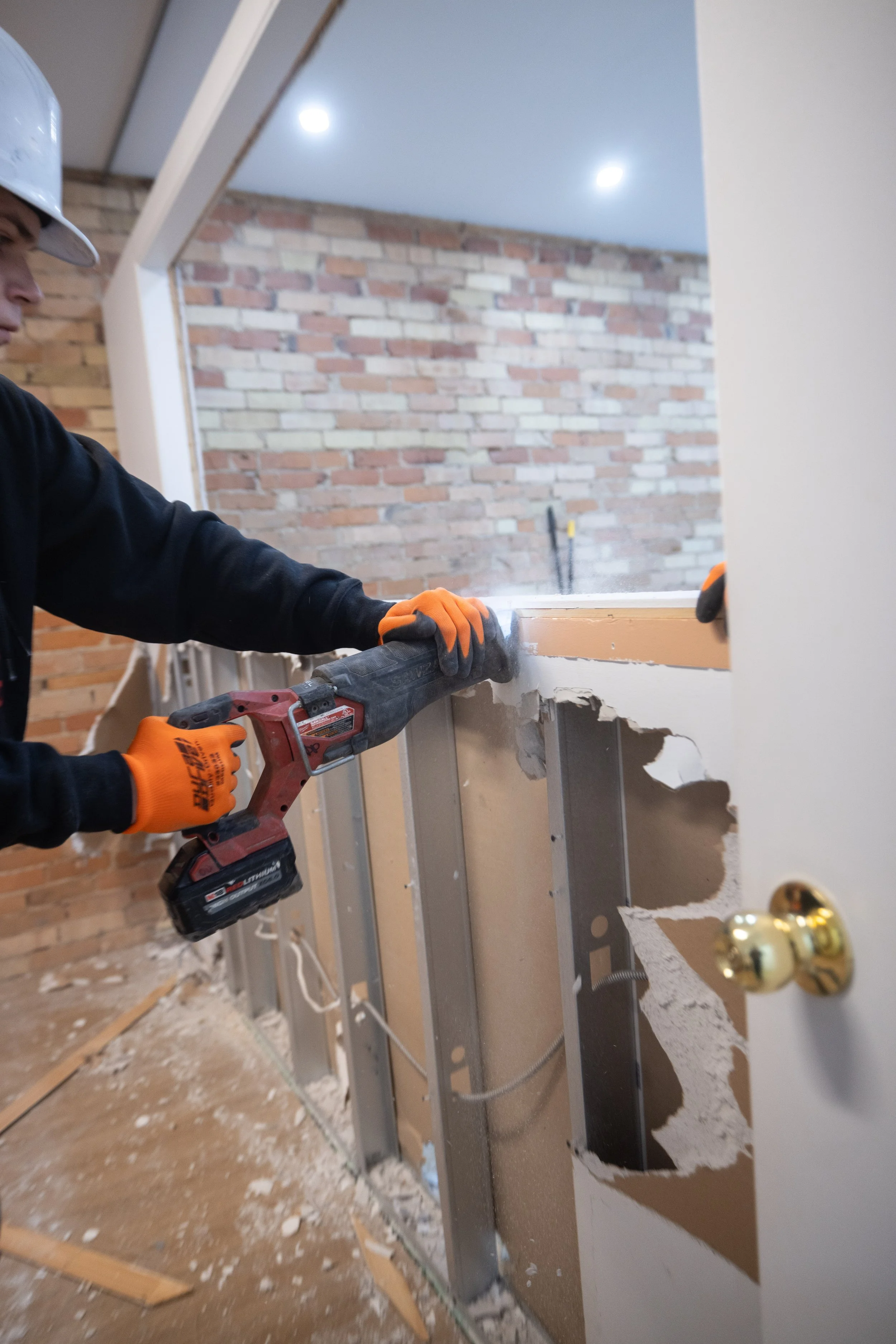
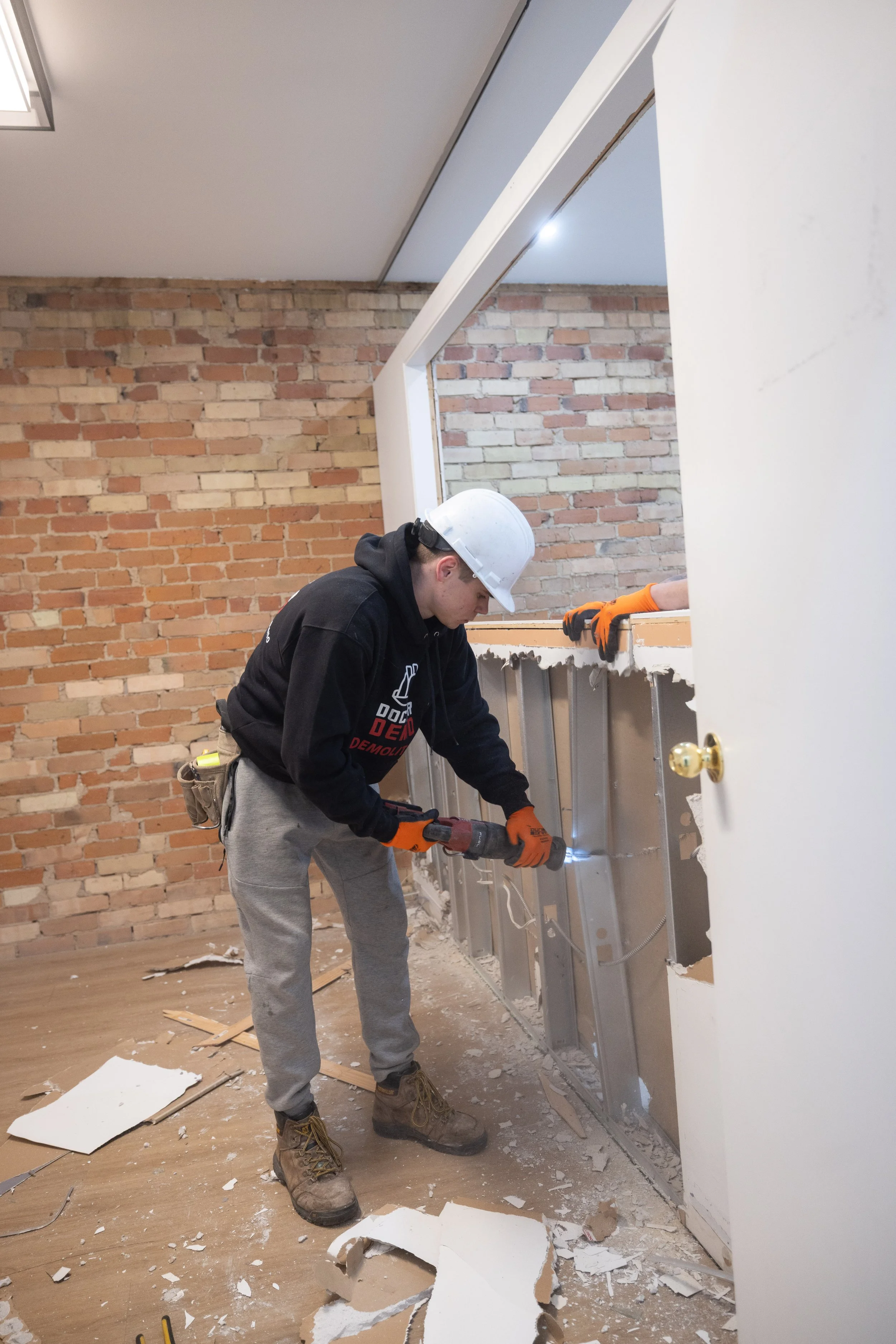
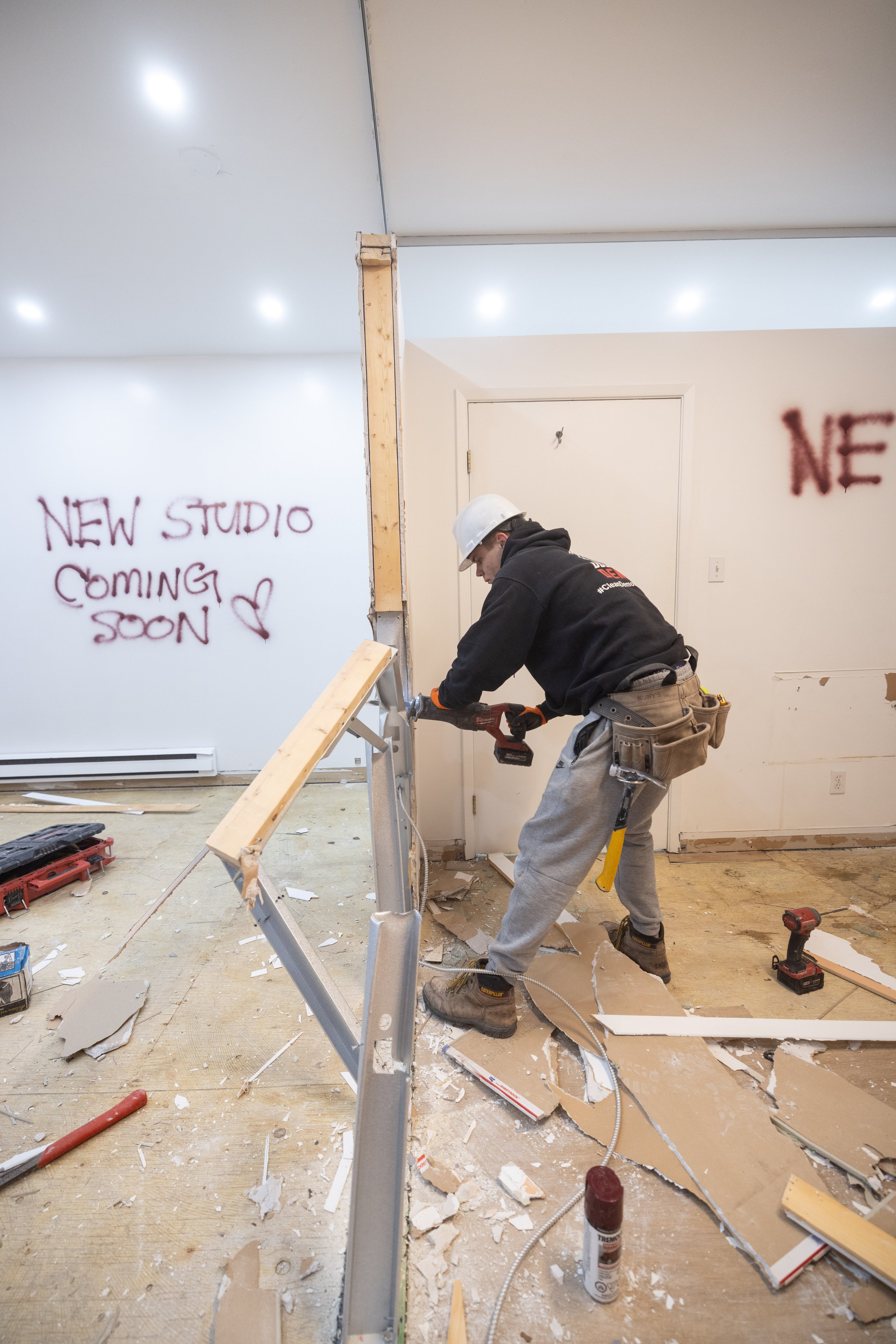
Selective demolition in a downtown space is rarely just about what comes out. It is just as much about what stays, and how carefully a crew can work around it while the rest of a room gets stripped to the studs. A recent selective demolition we completed on a job site near Richmond Street and the DVP in downtown Toronto is a good example of what that actually looks like when a client has pieces in the space that genuinely matter to them.
The Richmond St Job
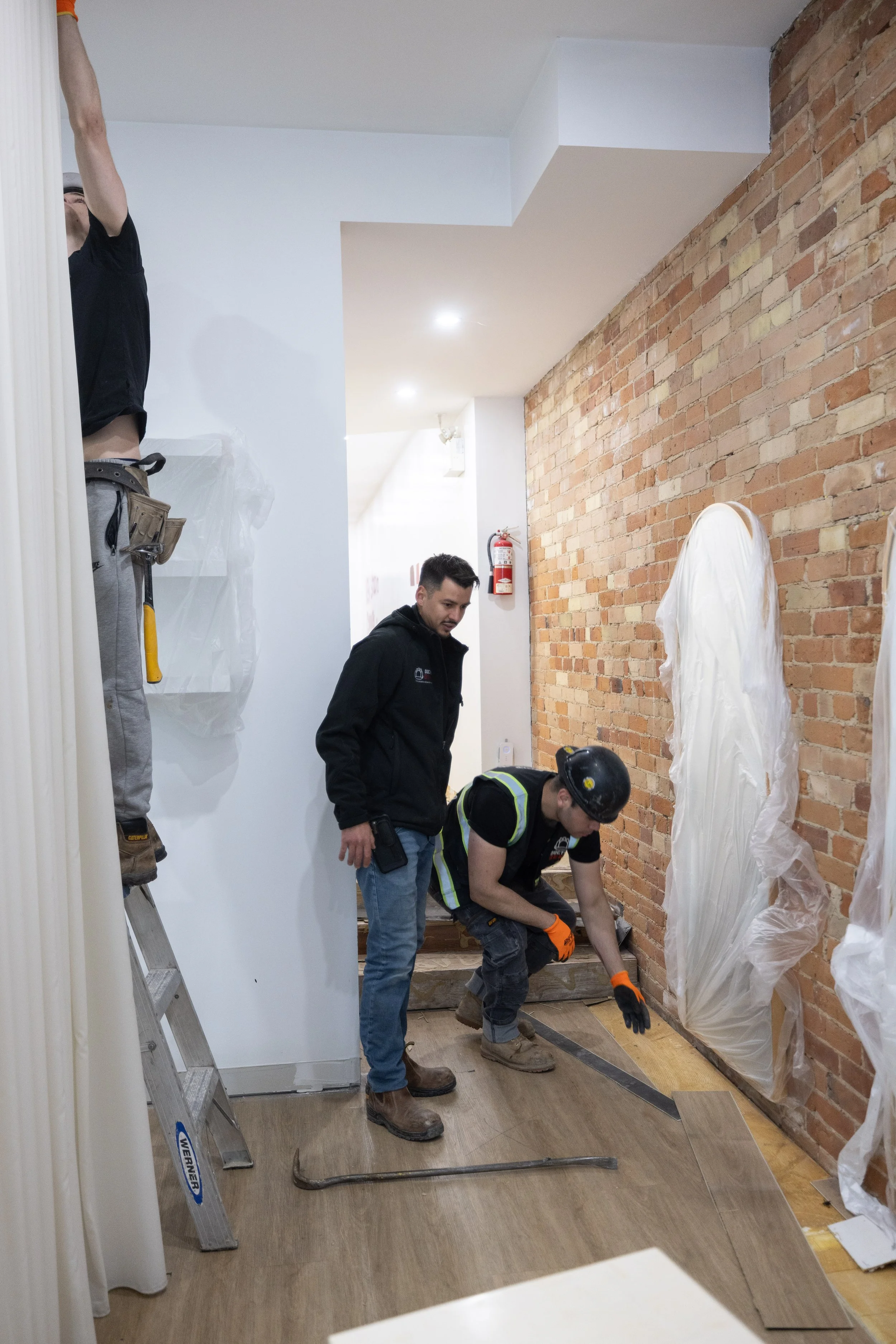
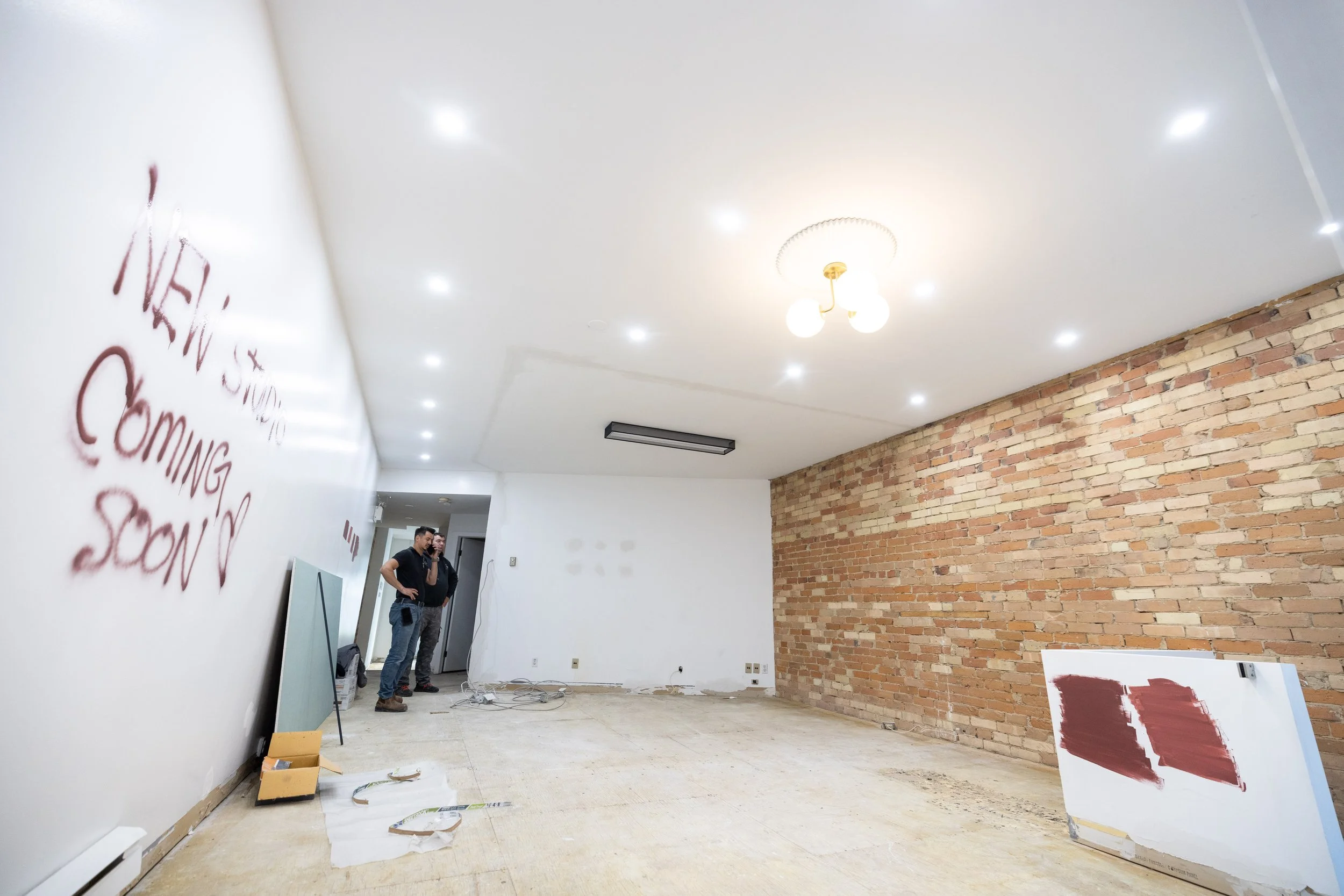
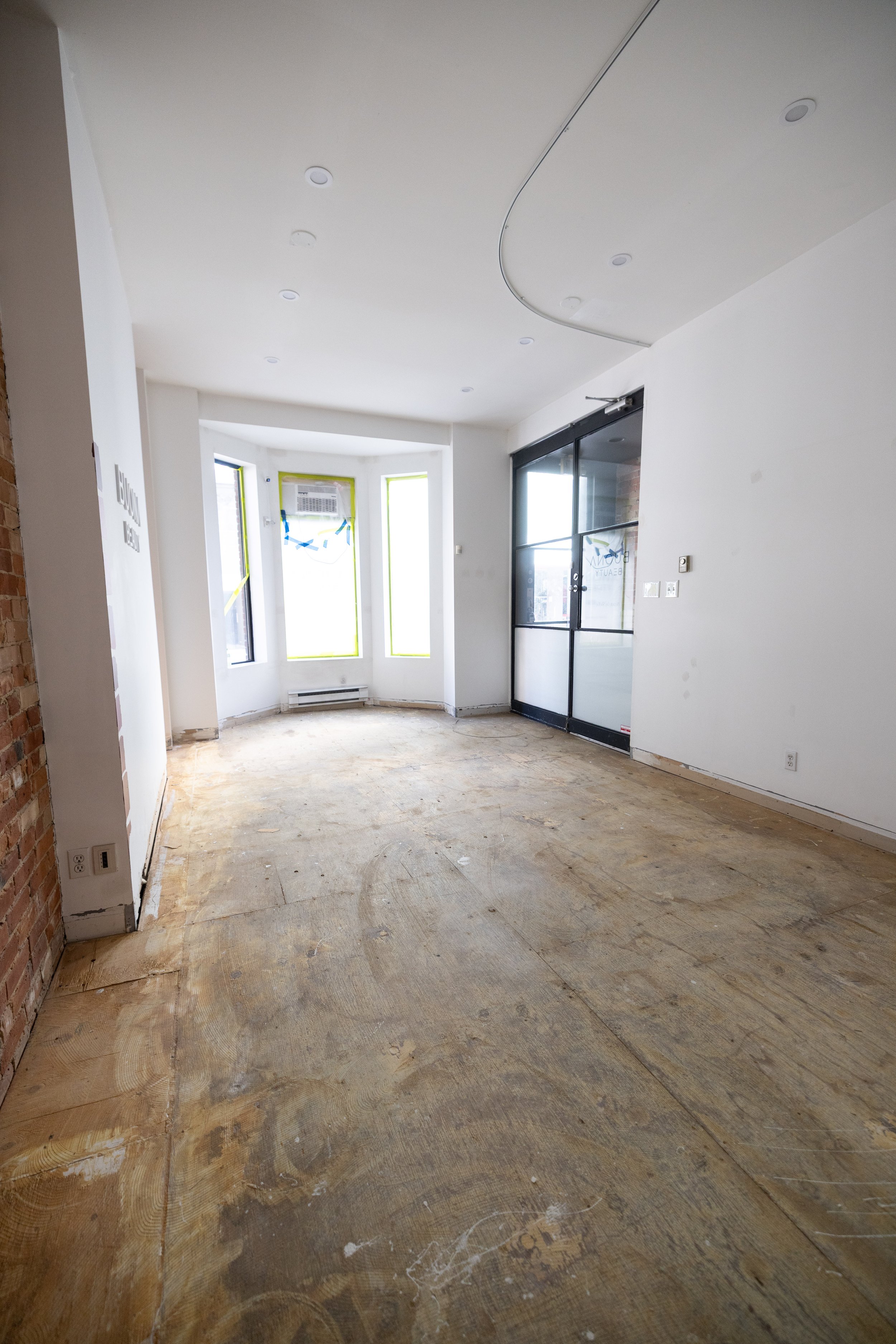
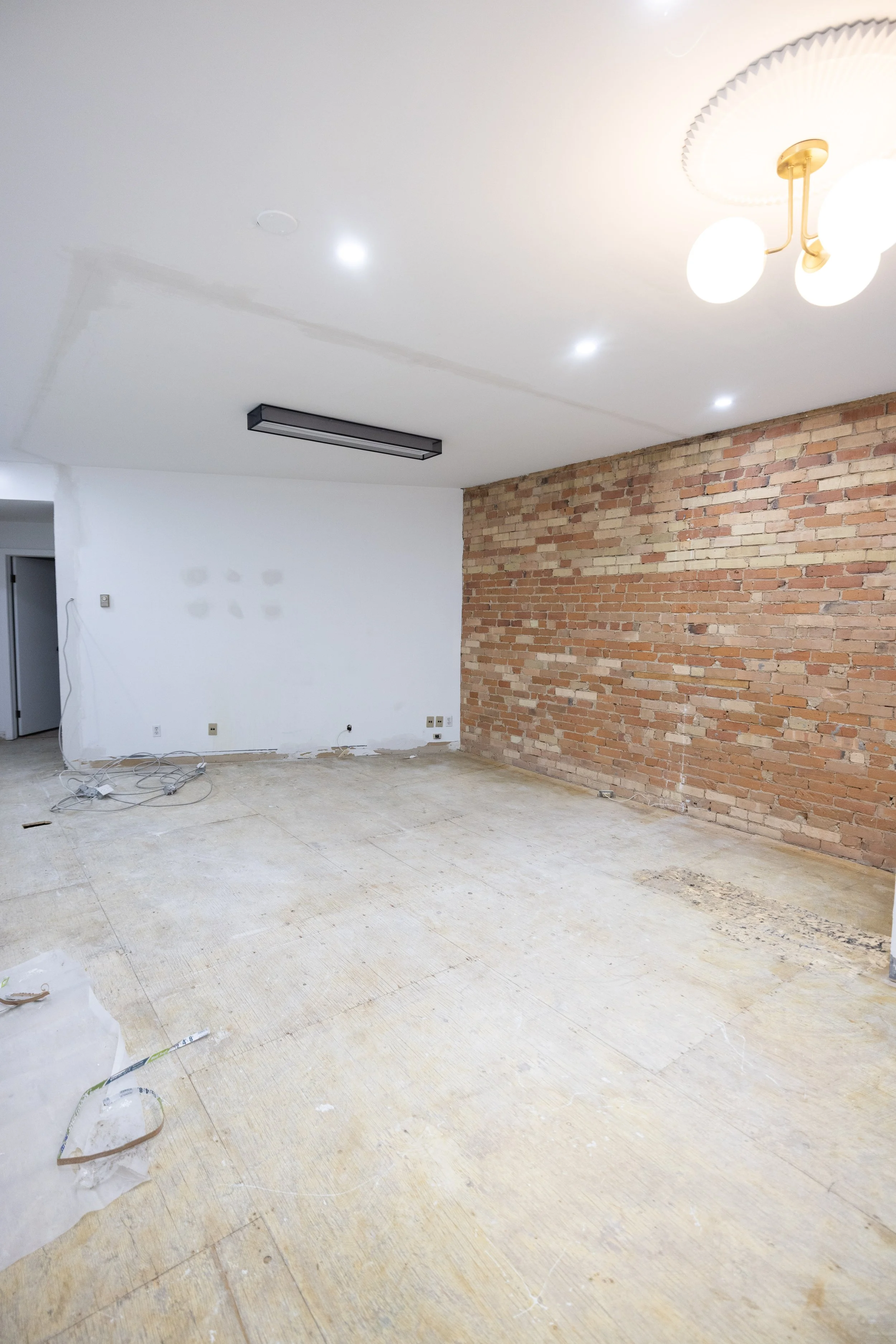
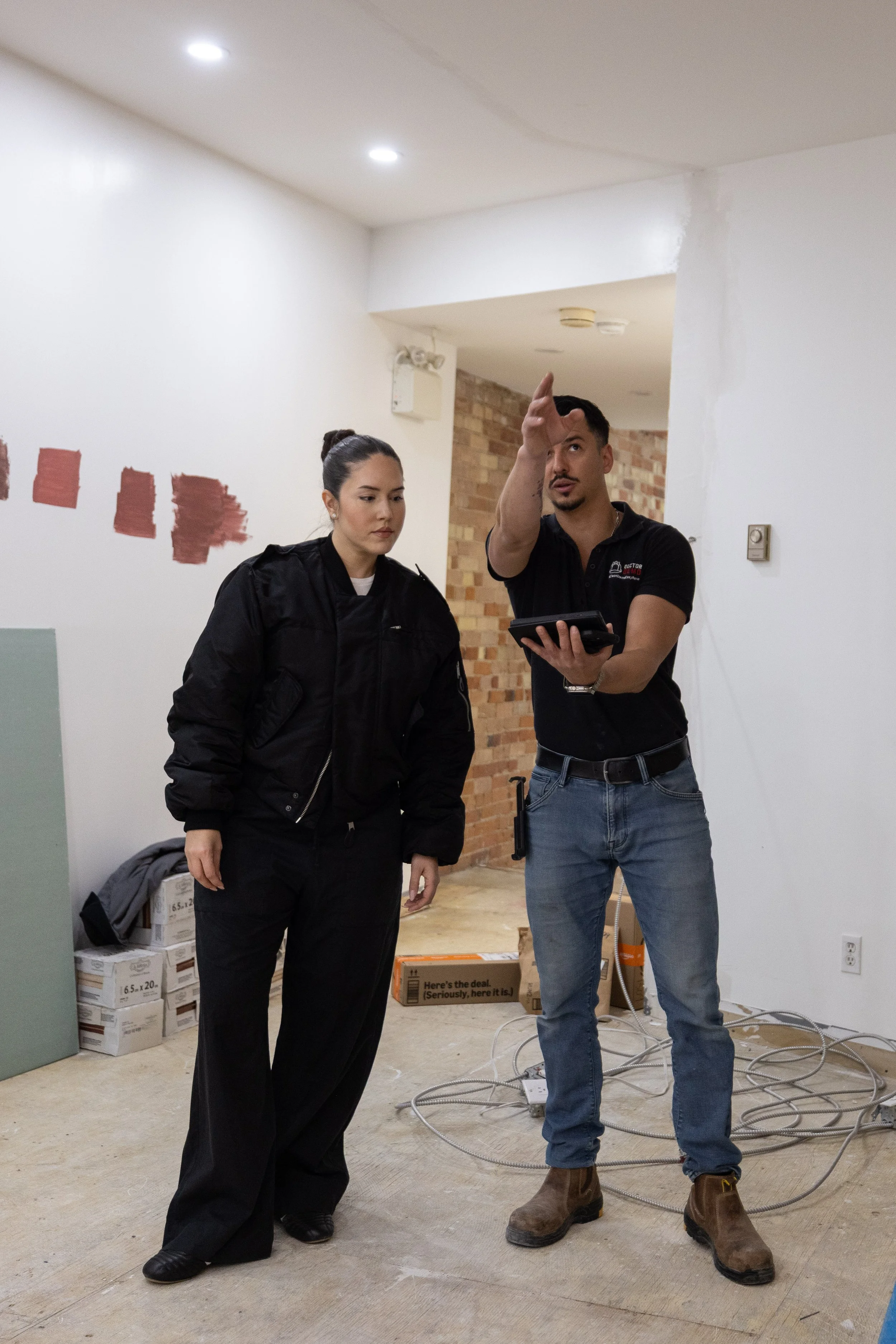
This project was a downtown selective demolition ahead of a full interior renovation, the kind of job where most of a space needs to come down but not all of it. In this case, the client had a custom built table and a painting in the space that were not part of the scope to remove. Our job was not just to demolish around them, but to actively protect them for the entire duration of the work, in a space where dust, debris, and equipment were moving through constantly.
Why Downtown Toronto Jobs Come With Their Own Challenges
Working near Richmond Street and the DVP means working in one of the busier, tighter corridors in the city. Downtown sites typically come with restricted access windows, shared building elevators or stairwells, limited space for staging materials and debris, and neighbours or building management who need advance notice before anything loud or dusty happens. None of that is unique to this job, but all of it adds a layer of planning that a suburban single family teardown simply does not require. We treat that logistics planning as part of the actual scope of work, not an afterthought squeezed in around the demolition itself.
Protecting a Custom Table Through a Full Demolition
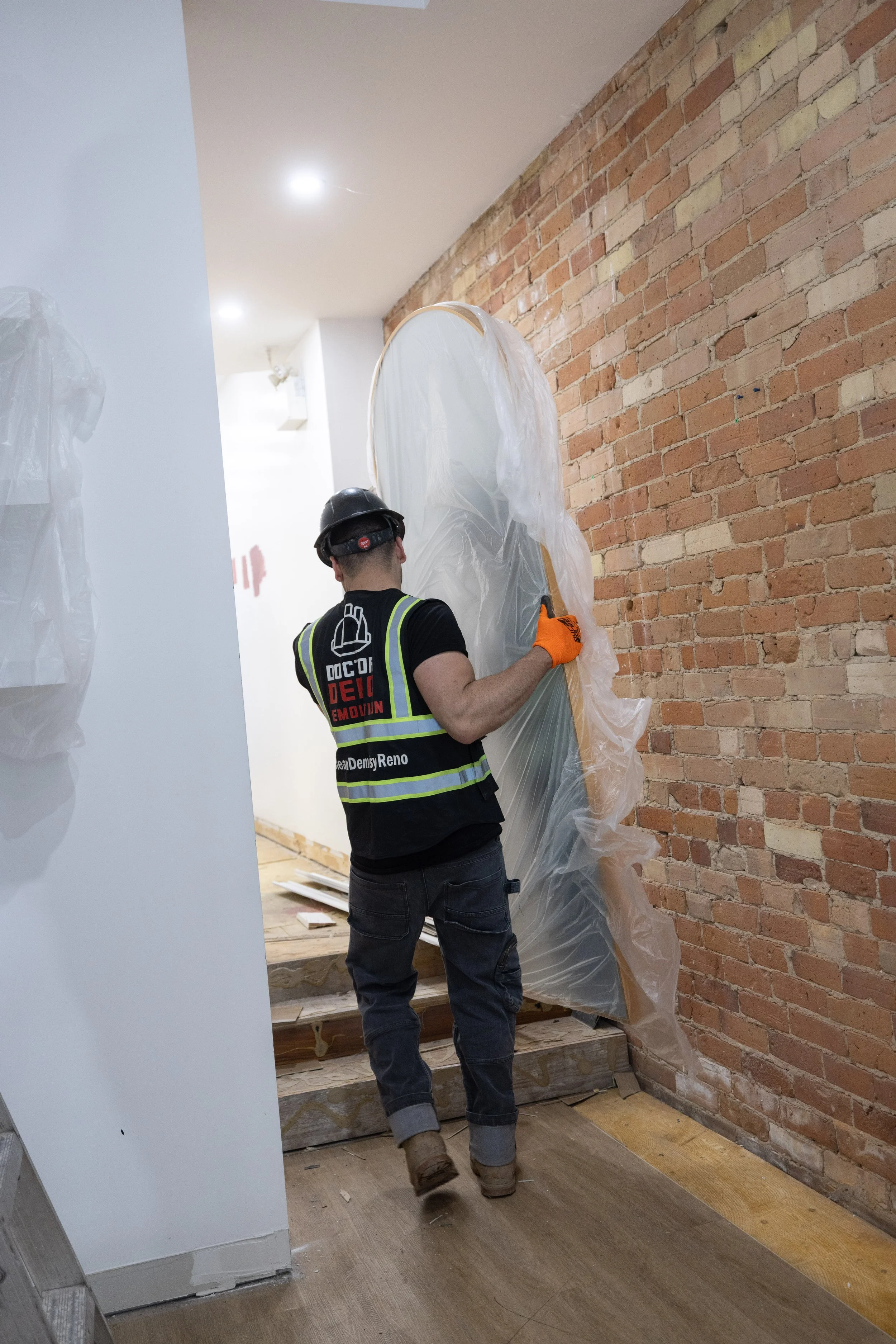
The custom table in this space was not something that could simply be pushed to a corner and hoped for the best. Dust, falling debris, and equipment moving through a space are all real risks to a piece of furniture that size, especially one built to the client's specifications and not easily replaced. Our crew built protection around the table for the duration of the demolition: covering it fully, boxing in the surrounding area where equipment needed to pass, and sequencing the work so that the roughest, dustiest phases of demolition happened with the table fully shielded rather than simply covered and hoped for.
Protecting a Painting in an Active Demo Zone
The painting presented a different kind of risk. Vibration from demolition work, dust settling on a painted surface, and simple proximity to falling debris all needed to be accounted for. Rather than leaving it in place and hoping for the best, we worked with the client to determine whether it needed to be carefully removed and stored off site for the roughest phase of work or protected in place, and executed accordingly. The decision on a piece like this is never automatic. It depends on the specific demolition sequence, the exact location in the room, and what level of risk the client is comfortable with.
What Selective Demolition Actually Requires From a Crew
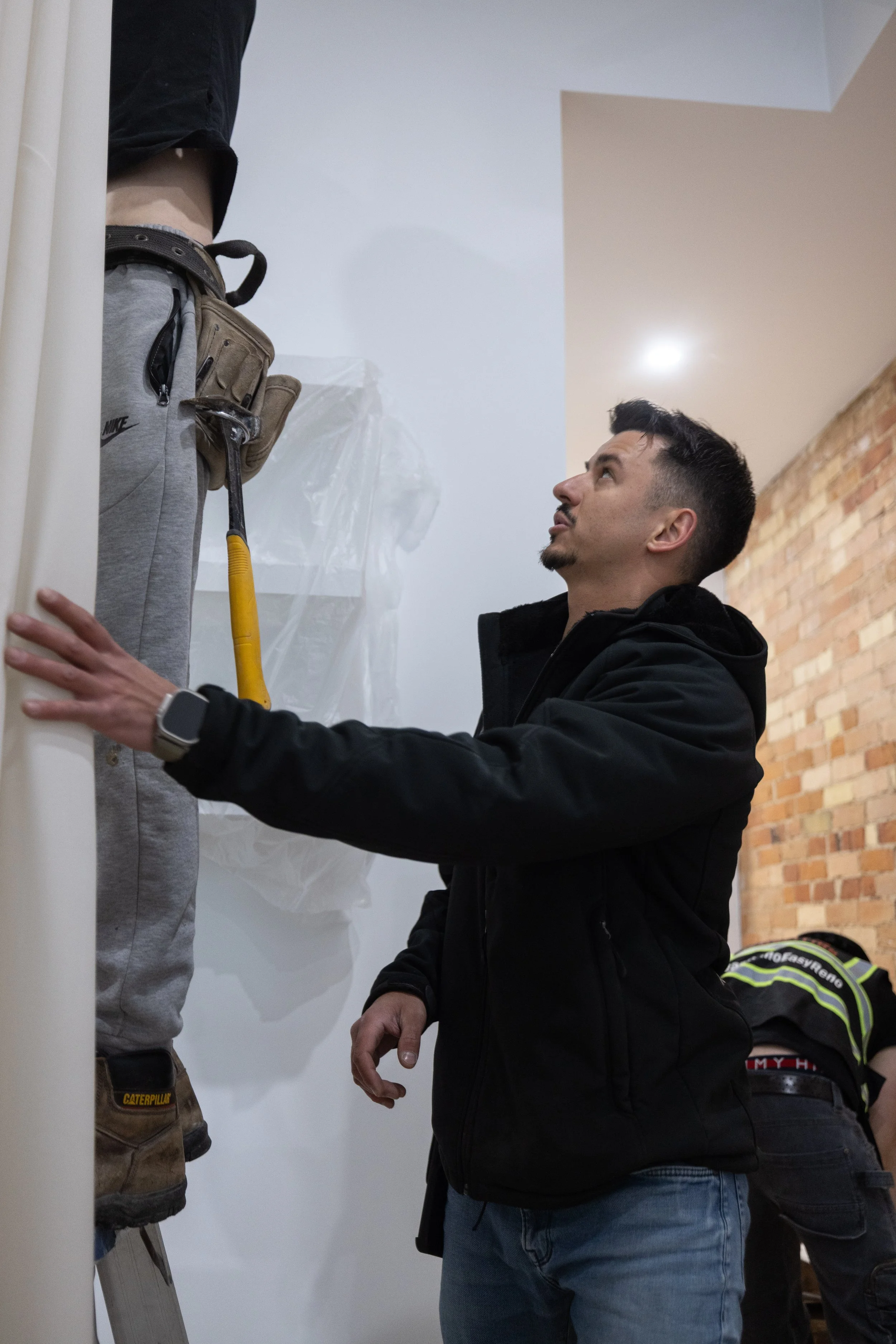
Selective demolition asks more of a crew than full demolition does, not less. Every team member on a job like this needs to know, before a single tool comes out, exactly what is coming down and exactly what is staying, with zero ambiguity. On the Richmond St job, that meant a walkthrough with the client before work began, clear boundaries marked in the space, and a crew briefed on which areas were off limits regardless of how the demolition sequence unfolded elsewhere in the room.
Dust and Debris Control in an Occupied Downtown Building
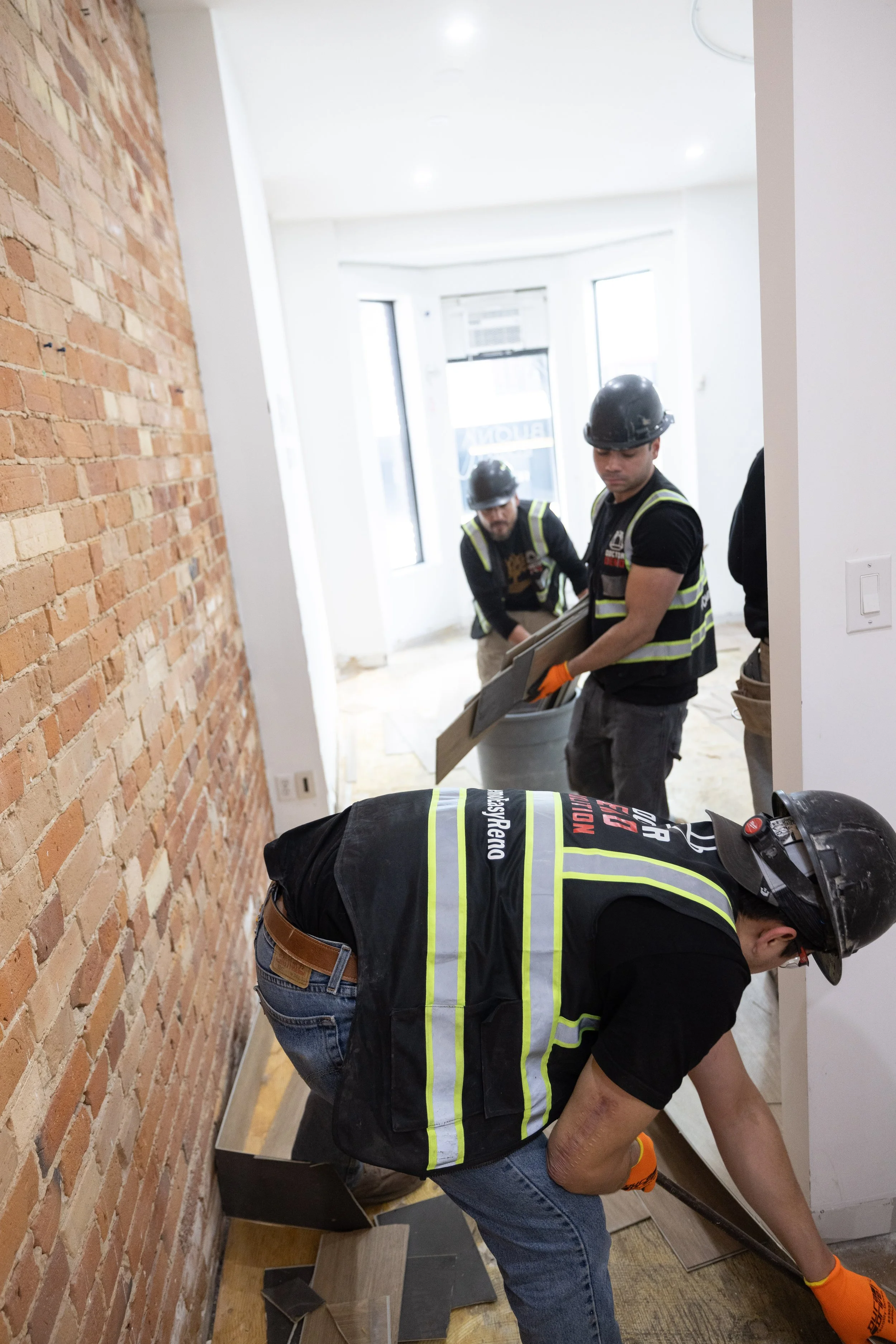
Beyond protecting specific pieces, working in a downtown building means controlling dust and debris more tightly than a standalone house would require. Shared hallways, other units or tenants nearby, and building management expectations all raise the bar for containment. We use dust barriers, controlled debris paths, and a cleanup standard that accounts for the fact that this space does not exist in isolation. What happens in one unit or floor of a downtown building is felt well beyond it if it is not managed properly.
Why This Job Is a Good Example of What We Do
Most selective demolition conversations focus on what comes out: a wall, a kitchen, an old bathroom. The Richmond St job is a better example of the other half of the job, protecting what a client wants to keep while everything around it gets removed on schedule. That balance, between speed on the parts coming down and genuine care on the parts staying, is what separates a demolition contractor from a demolition partner.
Book a Selective Demolition Consultation in Toronto
If you are planning a renovation in downtown Toronto or anywhere in the GTA and have pieces in the space you want protected while the rest comes down, Doctor Demo Inc. is ready to walk the space with you and plan it properly.
Call (647) 864 8170 or visit doctordemo.ca to request your free estimate.