What to Save Before You Gut a Toronto Character Home
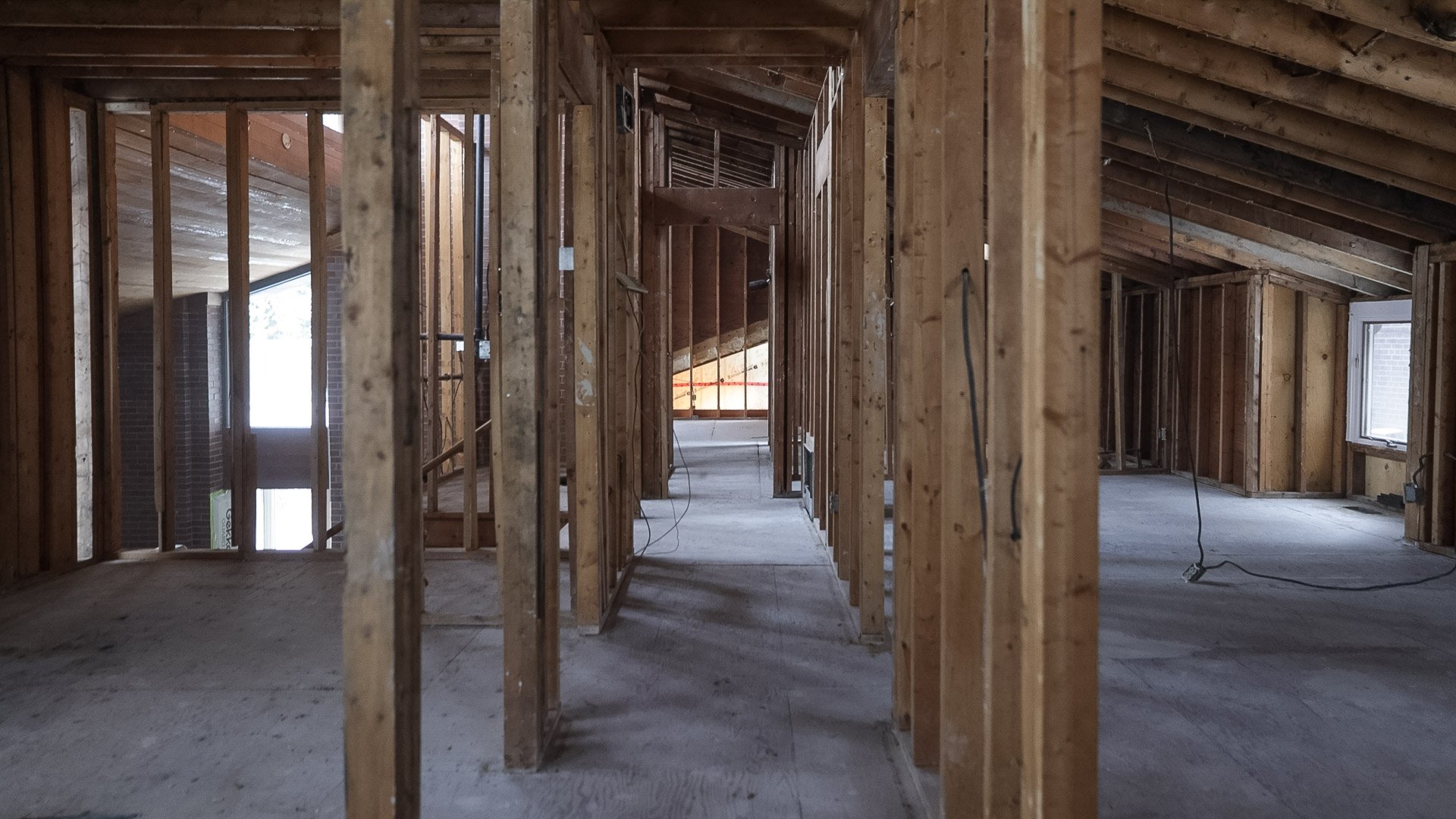
Not everything in an old house deserves to go. Some things deserve to stay exactly where they are. That distinction came into sharp focus for us on a recent selective interior gut demolition in Rosedale, a century old home with the kind of original details that simply do not get built anymore, and it is a conversation worth having before anyone guts a character home anywhere in Toronto.
Here is what we typically look for before demo starts on an older home, what usually survives, and what almost never does.
The Rosedale Job That Changed How We Talk About This
The Rosedale home in question had the layout problems you would expect from a hundred year old house: choppy rooms, a kitchen disconnected from the rest of the main floor, and mechanical systems long overdue for an upgrade. But it also had solid wood trim, original plaster details, and door hardware that had been in place since the home was built.
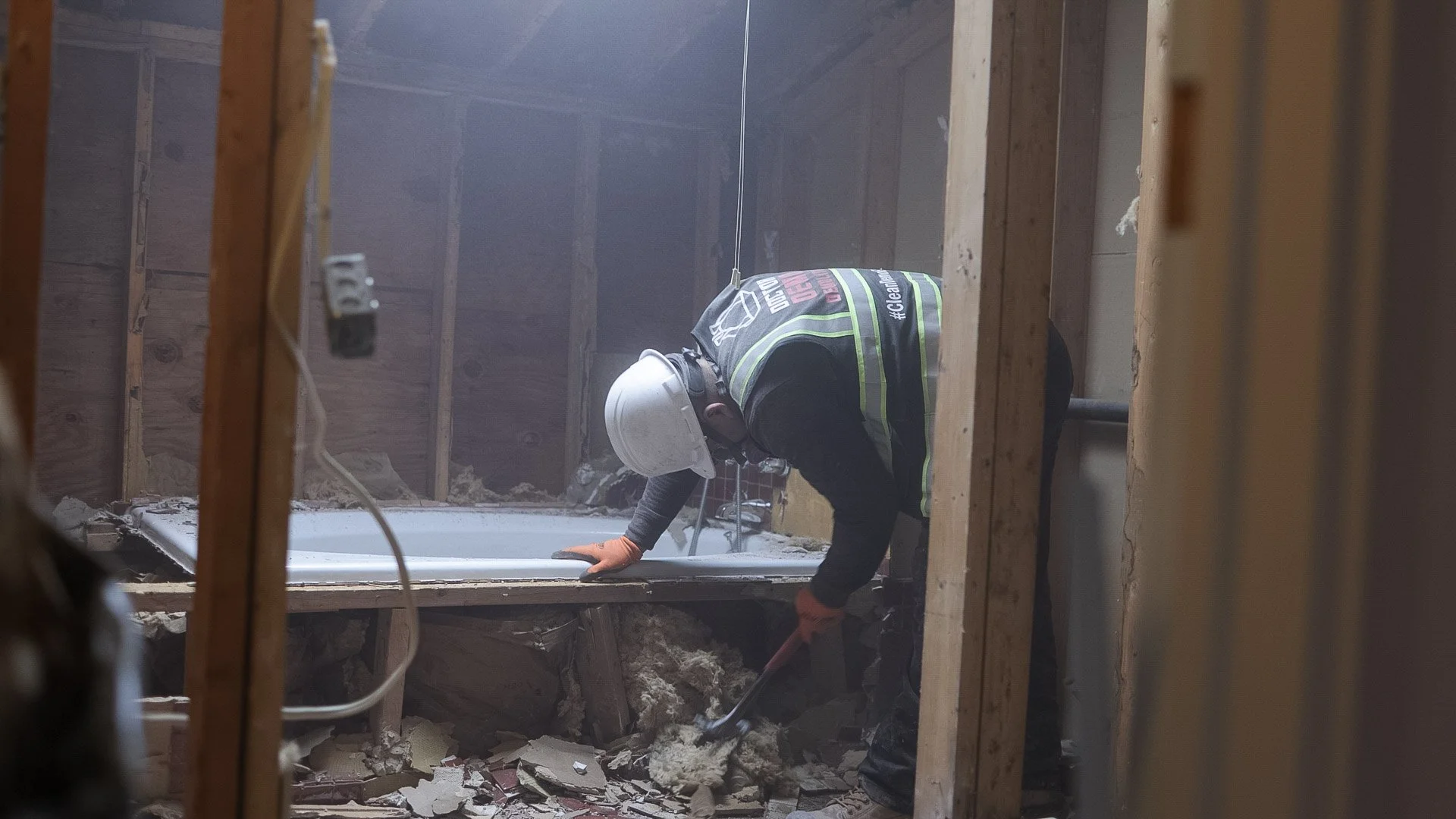
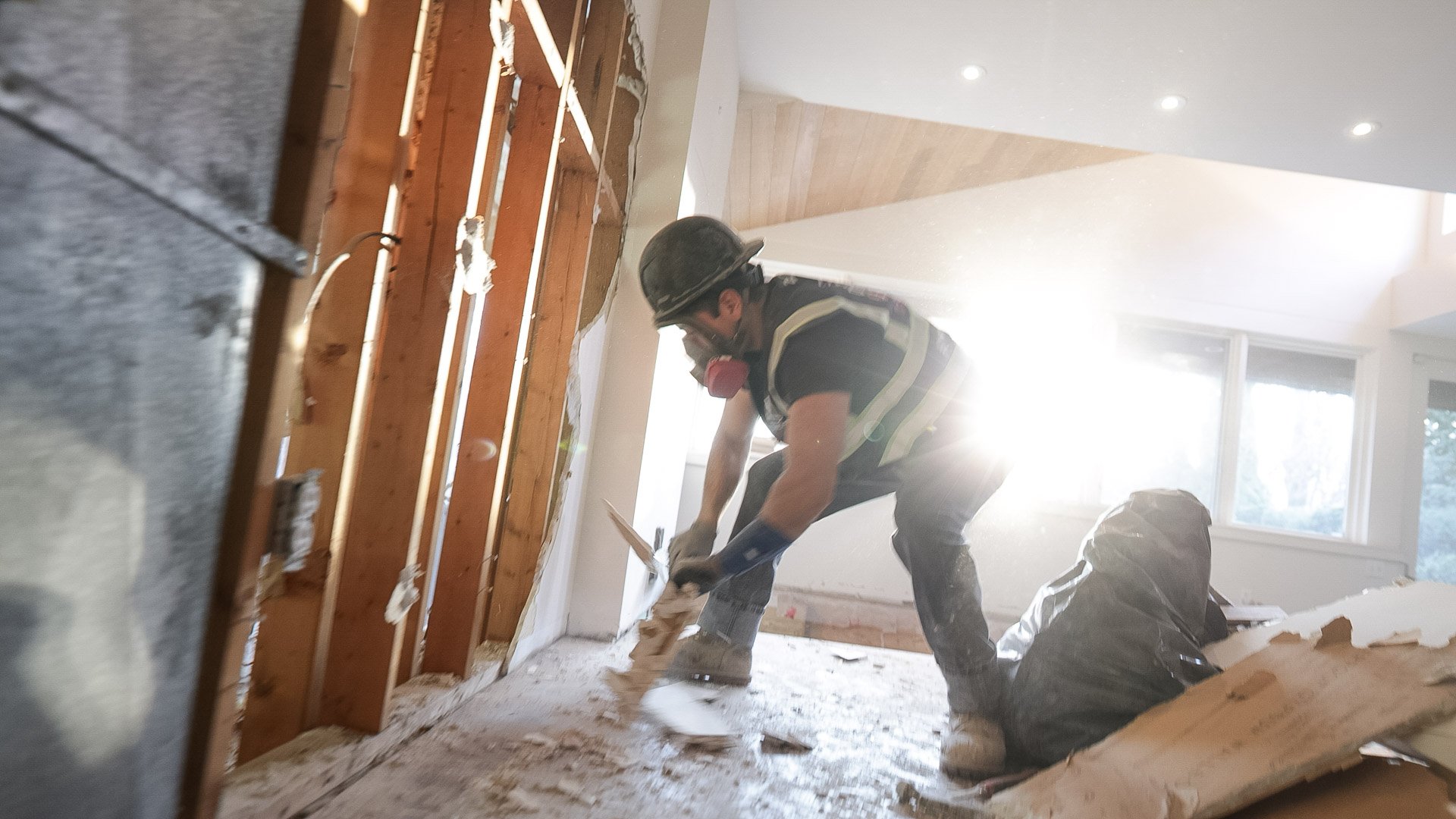
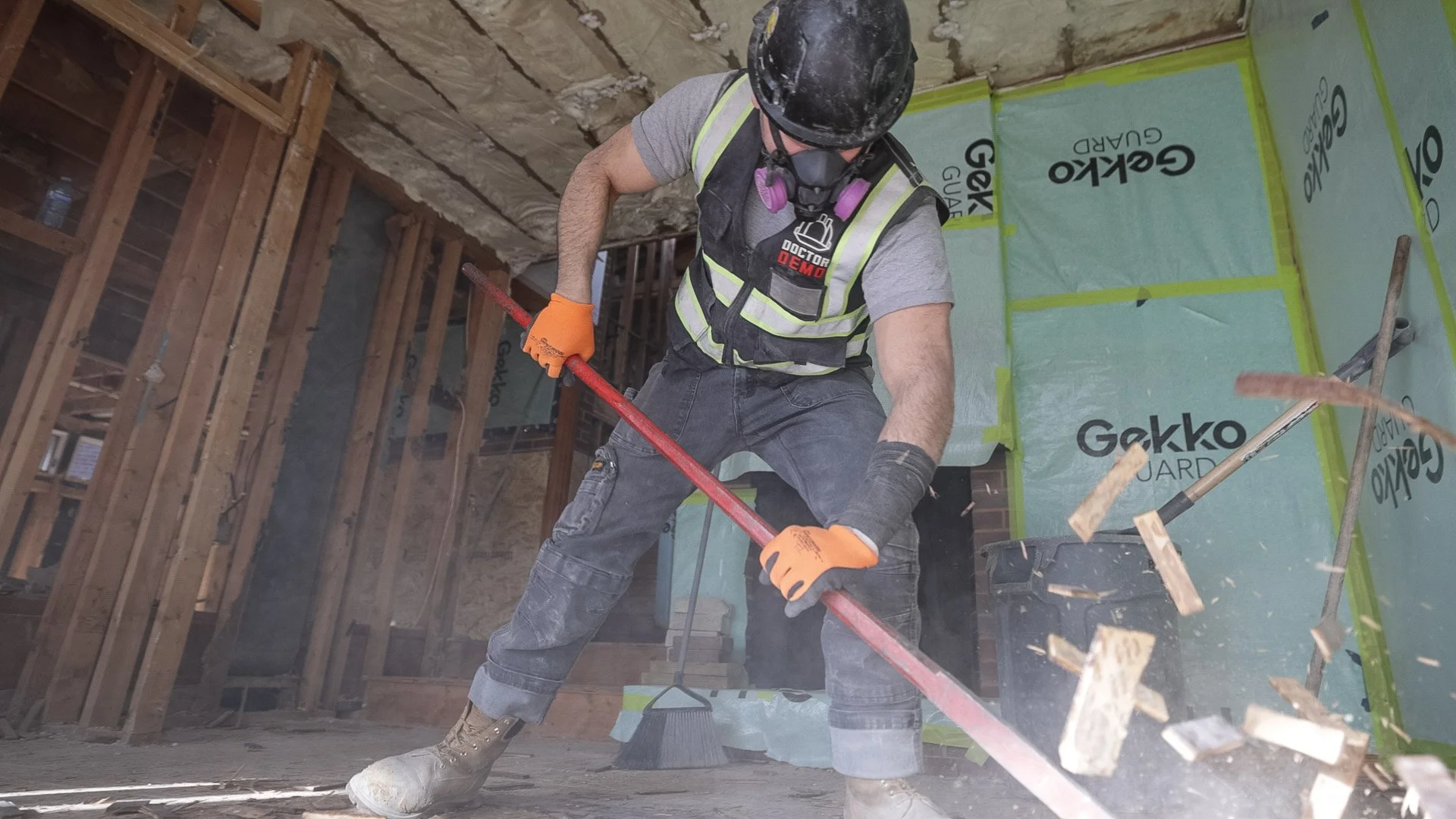
A full gut demolition would have taken all of it out in a single pass. Instead, we walked the home with the homeowner and the designer before a single wall came down, identified exactly what was staying, and built our demolition sequence around protecting those elements while we opened up the rest of the house. That conversation, done properly, is the difference between a renovation that respects the character of a home and one that accidentally erases it.
What's Usually Worth Saving in a Century Home
Across the older neighbourhoods we work in most, Rosedale, the Annex, Riverdale, and Cabbagetown, the details most worth protecting tend to be the same: original solid wood trim and baseboards, panel doors with their original hardware, plaster ceiling medallions and cornice detail, stained or leaded glass in transoms and sidelights, and original hardwood flooring hiding under carpet or newer flooring nobody thought to check under.
These are not decorative extras. They are often better built and more distinctive than anything available new at a comparable price, and once they are gone, they are genuinely gone. Reproduction millwork can get close, but it rarely matches the proportions or the patina of the original.
What Almost Never Survives (and Why That's Okay)
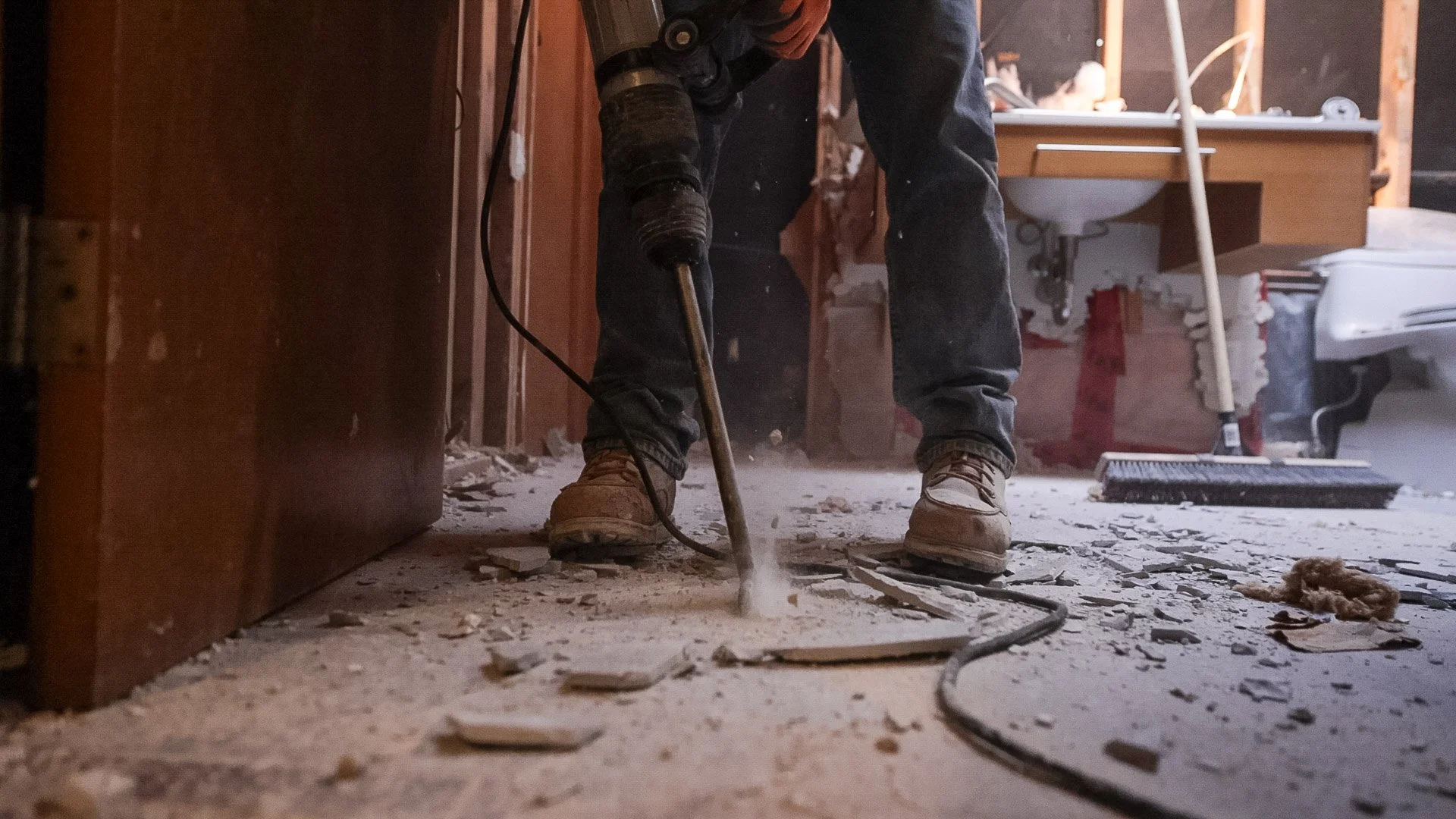
Not everything old is worth saving, and pretending otherwise slows a project down for no real benefit. Outdated wiring, old plumbing, water damaged plaster, asbestos containing materials common in homes built before the 1980s, and finishes that have simply reached the end of their functional life come out, full stop. Part of doing this well is being honest with homeowners about which category their home's original features actually fall into, rather than treating everything as precious by default.
How We Protect What's Staying While We Demo What's Going
Once we know what is staying, we build physical protection into the demolition plan before any work begins: covering original flooring, boxing in trim and door casings that are not being touched, and sequencing the demo so that debris and equipment never travel through a room with details we are protecting. On the Rosedale job, that meant carefully removing and storing several original doors offsite during the roughest phase of demolition, then reinstalling them once the risk of damage had passed.
This takes more planning than a straightforward full gut, and it takes a crew that understands the difference between speed and carelessness. Every crew member on a character home job knows, before they pick up a tool, exactly what in that space is off limits.
Selective Demolition vs Full Gut: How We Help You Decide
Not every century home renovation calls for selective demolition. Sometimes the original details are too far gone to save, or the new design simply does not have room for them, and a full gut is the right, more cost effective path. We walk every older home with you before quoting, identify what is realistically salvageable, and give you an honest recommendation rather than a one size fits all answer.
Working in Toronto's Older Neighbourhoods
Homes in Rosedale, the Annex, Riverdale, and Cabbagetown were built across a range of eras, and each neighbourhood has its own quirks: balloon framing, plaster and lath walls, original millwork profiles that vary block by block. We have spent enough time in these homes to know what is common, what is unusual, and what is worth stopping for before the sledgehammer comes out.
What This Means for Your Renovation Budget
Protecting original details during demolition does add time compared to a straightforward full gut, and we are upfront about that cost at the estimate stage. But that cost is almost always smaller than the cost of reproducing what was lost, and in many cases it is smaller than the cost of a design that has to work around the absence of details a buyer or future homeowner would have valued. We would rather quote the extra care honestly than let a homeowner find out what they lost after it is already in a bin.
Book a Character Home Demolition Consultation
If you are planning a renovation in a Toronto character home and want a clear, honest opinion on what is worth saving before anything comes down, Doctor Demo Inc. is ready to walk the space with you.
Call (647) 864 8170 or visit doctordemo.ca to request your free estimate.